Category: Power Wheelchair
Posted by 2025-12-23 11:12
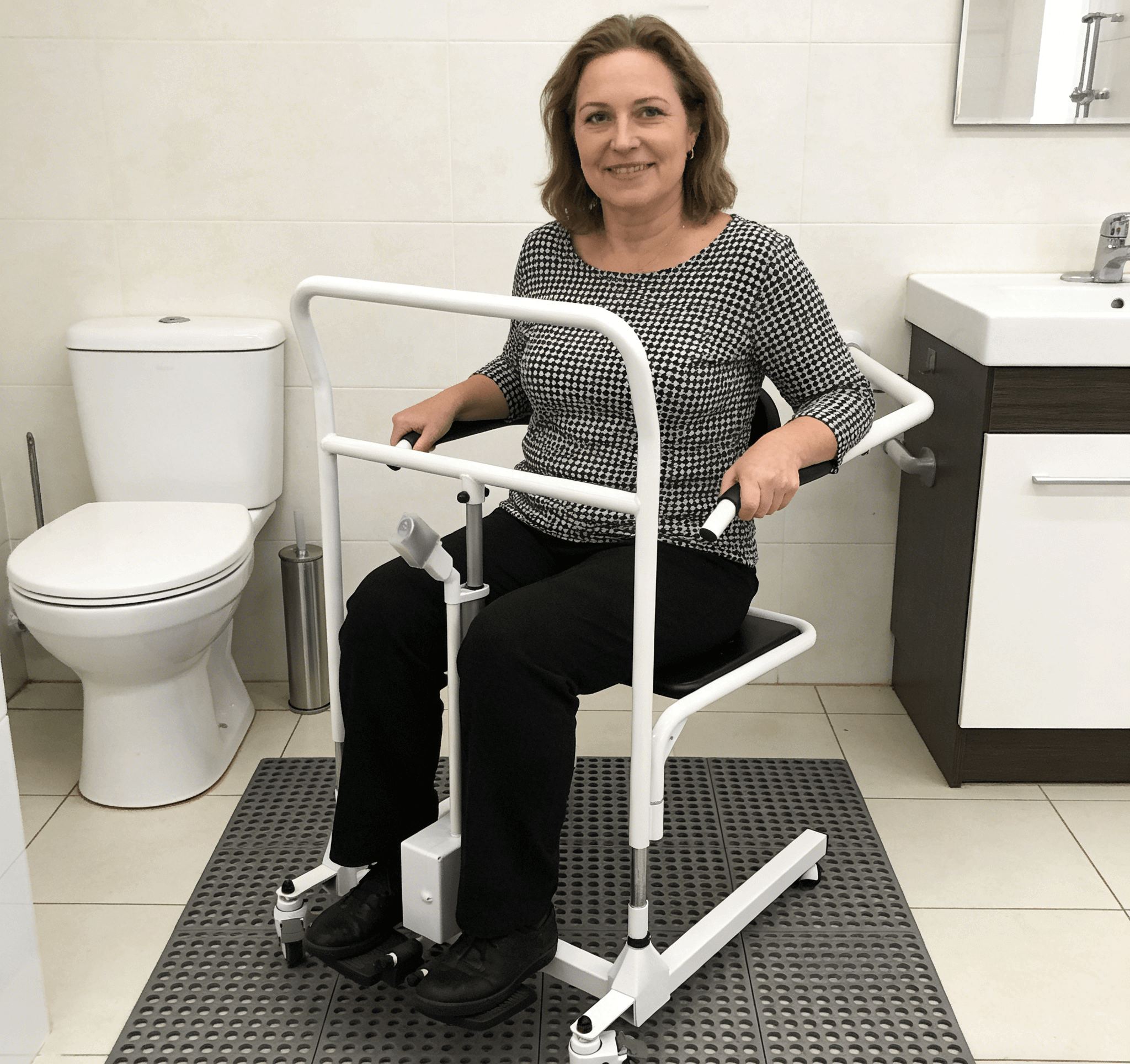
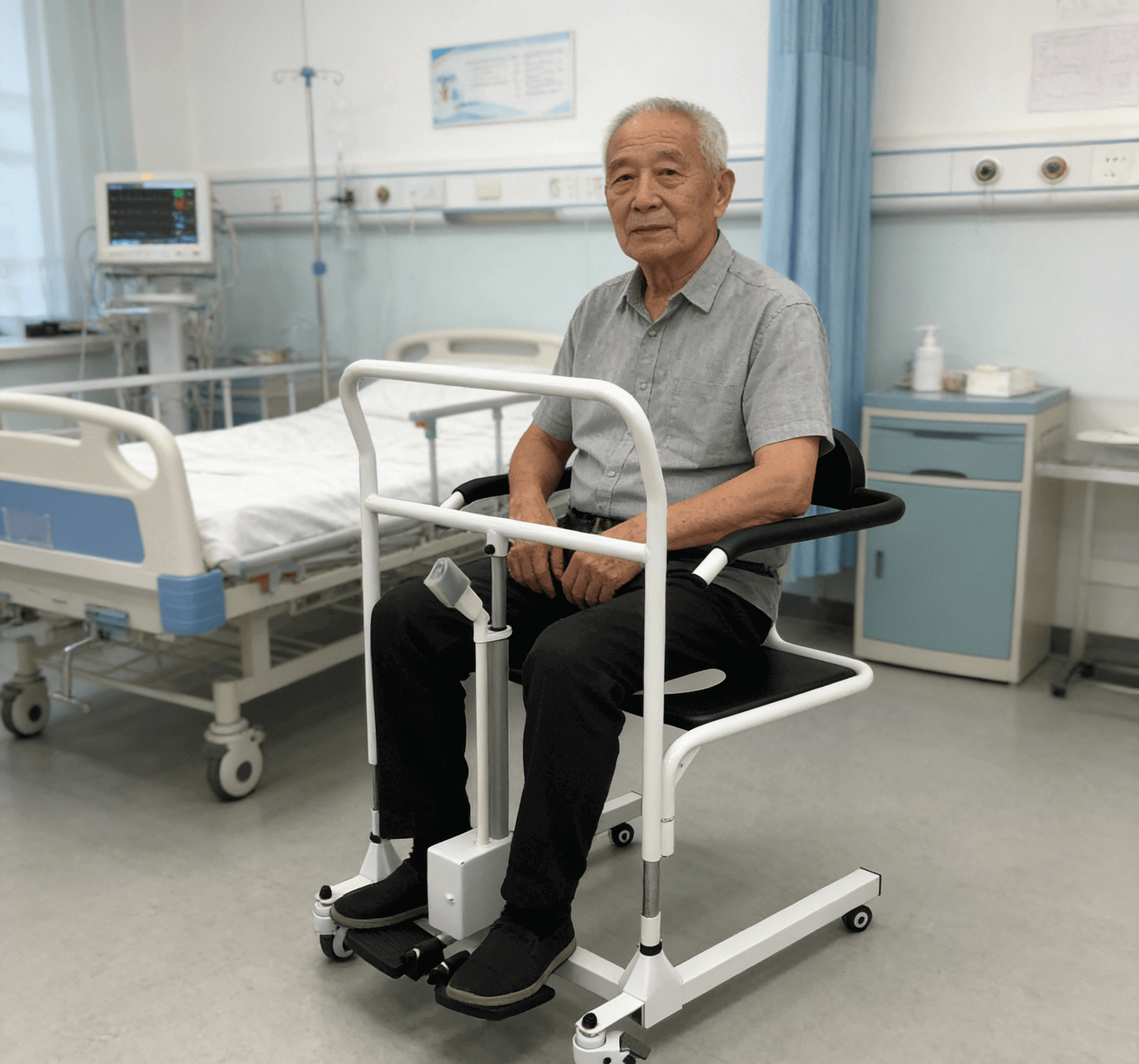
hoyer lift for one person
The Complete Guide to Safely Operating a Hoyer Lift Alone: A Feasible Approach to Independent Caregiving
In home care, extra help is not always available on demand. For spouses, adult children, or professional caregivers who take on caregiving responsibilities alone, a core question arises: "Can I safely use a Hoyer Lift by myself?"
The answer is: Yes, but it requires thorough preparation, proper techniques, and suitable equipment. Solo operation places full responsibility on one person, so adherence to safety protocols and procedures must meet the highest standards.
I. Core Challenges and Safety Philosophy of Solo Operation
Before starting, it is essential to understand the risks involved:
No one to monitor: If an accident occurs (such as the care recipient slipping or the equipment becoming unbalanced), there is no second person to provide immediate assistance.
Higher workload: You need to manage the equipment, the care recipient, and communication simultaneously, requiring highly coordinated thinking and actions.
Uncertainties during transfer: Sudden movements from the care recipient or obstacles blocking the equipment can lead to dangerous situations, which you must handle alone.
Safety Philosophy: Your role is not just that of an operator, but also a combination of safety officer, communicator, and technician. Anticipating and preventing risks is your top priority.
II. Choosing the Right Equipment for Solo Operation
Selecting appropriate equipment is half the battle:
Electric Lift is a Must
Reason: Manual hydraulic lifts require continuous pumping to lift, making it difficult to stabilize both the care recipient and the equipment at the same time. Electric lifts are controlled by buttons, allowing you to keep at least one hand on the care recipient or the equipment at all times to maintain stability and a sense of security. They operate smoothly, reducing the care recipient’s fear and preventing swaying.
Retractable Boom
Reason: This feature allows you to move the boom horizontally without moving the entire base, enabling precise "placement" of the care recipient onto a wheelchair or chair. This is crucial for making fine adjustments in narrow spaces and avoids the collision risk of repeatedly moving the base.
Base Design
Choose a model with long base legs for better stability. Ensure the base shape (H-type or U-type) can easily slide under the bed from the side or front-side.
Easy-to-Operate Slings
Select slings with clear buckles and simple donning/doffing processes. For care recipients who need frequent transfers, consider using commode/shower slings or split slings, which reduce the number of times the recipient needs to roll over or adjust positions in bed.
III. Step-by-Step Safety Process for Solo Operation
Step 1: Comprehensive Preparation
Clear the environment: Ensure the path from the bed to the destination is unobstructed, and the floor is dry and level.
Check the equipment: Quickly inspect the sling, hooks, and battery level.
Position the target: Secure the wheelchair or chair in the optimal position (apply brakes, remove footrests).
Step 2: Position the Lift and Apply the Sling
Push the lift under the bed at a roughly 45-degree angle and engage the brakes.
Tip: When helping the care recipient roll onto their side, use your knee to gently support their back, then quickly flatten and place the sling under their body. Ensure the sling is smooth (no wrinkles) and properly positioned.
Step 3: Connect and Lift
Attach all hooks and double-check to ensure they are securely fastened.
Communication: Clearly tell the care recipient, "We’re going to lift you now; please relax."
Stand in a position where you can both support the care recipient’s back and operate the controller. Lift slowly until the care recipient’s hips are just off the bed surface.
Step 4: Transfer and Positioning (The Most Critical Step)
Release the base brakes and use your body to guide the lift, pushing it backward slowly.
Fine-tuning Tip: Use the retractable boom function to hover the care recipient directly above the target seat, instead of struggling to move the entire base to align it.
Step 5: Safe Lowering and Disengaging
Lower the care recipient slowly, ensuring they are seated safely and comfortably.
First unfasten the two hooks closest to you, then the ones on the far side. Finally, smoothly pull the sling out from under the care recipient.
IV. Special Tips and Precautions for Solo Operation
Use your body for support: During movement, gently lean your hips or legs against the care recipient to provide extra lateral stability and prevent swaying.
Maintain communication: Even if the care recipient cannot speak, keep talking to inform them of each step’s progress. This eases their anxiety and prevents sudden movements.
Practice "no-load" operation: Familiarize yourself with all functions when the lift is not carrying the care recipient until the operations become muscle memory.
Know your limits: If the care recipient is extremely agitated, experiencing severe spasms, or if the equipment shows any abnormalities, stop operation immediately. Seeking external help is far better than taking risks.
V. Conclusion
Operating a Hoyer Lift alone is a demanding skill, but one that can be fully mastered. Its core lies in combining the power of technology (electric lifts) with human wisdom (rigorous processes and foresight).
By investing in the right equipment, receiving professional training (it is highly recommended to have an occupational therapist guide your first solo operation), and always maintaining the highest level of safety awareness, you— as an independent caregiver— can not only complete your caregiving tasks but also create a safe, respectful, and sustainable care environment for both yourself and the care recipient. Remember, in solo caregiving, your safety is just as important as the care recipient’s.